
Community
Bomb threats hit more than a dozen European flights, forcing diversions and emergency landings
By Marcus Chen
Advertisement · Why this ad?
Marcus manages the day-to-day editorial workflow across all brands, coordinating coverage assignments and ensuring editorial standards are met. He previously served as city editor at the Pioneer Press and holds a degree in Political Science from Carleton College.
More from Marcus →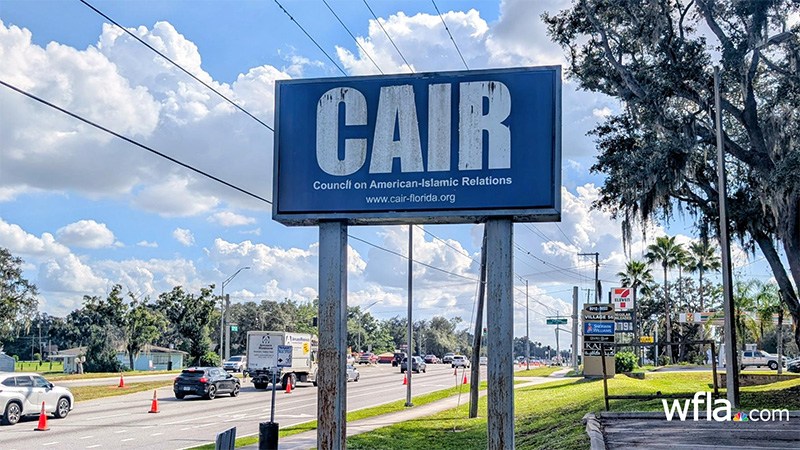
As evening fell over Dunedin, community members gathered in quiet reflection after learning that the Council on American-Islamic Relations (CAIR) is suspending all Florida operations. The decision follows a federal court’s rejection of CAIR’s plea to overturn its designation as a terrorist organization—a move that has sent ripples through local Muslim communities and beyond.
On Wednesday night, a federal judge dismissed CAIR’s legal challenge to the U.S. Department of Justice’s 2022 designation, which labeled the organization as a terrorist group. The court’s decision effectively bars CAIR from operating in Florida, leading to its immediate suspension of activities in the state. This ruling marks a significant turning point, not just for CAIR but for the broader Muslim community in Florida, including Dunedin, where faith and family remain central to community life.
CAIR, founded in 1994 to advocate for Muslim civil rights, has faced increasing scrutiny amid national security concerns. The group has long maintained that it promotes peaceful coexistence and religious freedom. Yet, the federal government’s designation, based on allegations of ties to terrorist activities, has now culminated in the group’s decision to cease operations in Florida altogether.
In Dunedin, the news struck a chord among local residents who cherish their faith, families, and community stability. Many expressed concern about the impact on Muslim families and the potential for increased misunderstanding or discrimination. “This decision feels like a blow to our community’s ability to freely practice our faith and connect with others,” said Ahmed Malik, a local father of three and active church volunteer.
Religious leaders in Dunedin emphasized the importance of standing firm in faith and unity. Pastor John Reynolds of Dunedin Christian Fellowship noted, “Strong families and communities built on genuine faith are our greatest strength. We hope this decision doesn’t foster division but encourages understanding and respect for all.” Many residents hope that dialogue and compassion will continue to define their community, regardless of federal designations or political pressures.
With CAIR suspending operations, local Muslim organizations are pivoting to support their congregations through other channels. Community leaders are calling for increased outreach and education to foster understanding and prevent misconceptions about Islam. The Dunedin Chamber of Commerce and city officials are also working to ensure that religious freedom remains protected and that families can continue to thrive in a safe environment.
Legal experts suggest that this ruling could set a precedent for other groups facing similar designations, emphasizing the importance of due process and community advocacy. Meanwhile, families in Dunedin are reaffirming their commitment to faith, marriage, and community service—values that remain the backbone of their American Dream.
Understanding the significance of this development requires a look into the history of Dunedin and its diverse communities. Founded in the early 20th century, Dunedin has long been a small but vibrant city nestled along Florida’s Gulf Coast. Its population, which has historically been predominantly of European descent, has grown increasingly diverse over the past few decades, welcoming residents from various cultural and religious backgrounds, including a steady increase in Muslim families seeking a peaceful and inclusive environment.
Many of these families have established roots through local mosques, community centers, and cultural organizations that serve as vital hubs of support, education, and cultural exchange. The suspension of CAIR’s operations in Florida threatens to disrupt these networks, which have been instrumental in fostering understanding and resilience among Muslim residents. Leaders like Imam Yusuf Ahmed of the Dunedin Islamic Center have been vocal about the importance of maintaining community cohesion and advocating for fair treatment under the law.
Furthermore, this decision comes at a time when issues of religious freedom and civil rights are highly politicized. National debates over immigration, security, and multiculturalism often overshadow local efforts to build inclusive communities. Dunedin’s community leaders and residents are now faced with the challenge of navigating these complex dynamics while preserving their values of faith, family, and mutual respect.
Local officials, including Mayor Julie Scales and City Manager Mark Johnson, have issued statements reaffirming their commitment to religious freedom and community safety. The Dunedin Chamber of Commerce has also expressed concern about the economic and social impacts of the ruling, emphasizing that diversity is a strength that drives innovation and growth.
Organizations like the Dunedin Multicultural Association are planning educational initiatives aimed at promoting intercultural dialogue. These efforts are designed to combat misinformation and foster a sense of unity among all residents, regardless of faith or background. The community’s proactive approach underscores a shared belief that Dunedin’s strength lies in its diversity and its capacity to adapt and grow through understanding.
In the immediate aftermath, local mosques and community centers are organizing support networks for Muslim families affected by the suspension. These include legal aid, counseling services, and community gatherings to provide emotional and spiritual support. The Dunedin City Council is also considering resolutions to protect religious freedoms and ensure that residents’ rights are upheld.
At the state level, advocacy groups like Muslim Advocates and the U.S. Commission on Civil Rights are monitoring the situation closely. They are urging transparency and due process in the ongoing legal processes, emphasizing that communities must be protected from unwarranted discrimination and stigmatization.
Looking ahead, community leaders are planning a series of town hall meetings to discuss the implications of the court ruling and explore avenues to support affected families. These forums will serve as platforms for dialogue, education, and community resilience-building, reinforcing the message that Dunedin remains a city committed to justice, inclusion, and faith.
As Dunedin’s residents rally around their Muslim neighbors, the community’s resilience and commitment to shared values will be tested but ultimately strengthened. The focus now is on fostering understanding, defending civil rights, and ensuring that no community member feels marginalized or silenced. This moment, while challenging, also presents an opportunity for Dunedin to reaffirm its identity as a city that values diversity and upholds the principles of justice and compassion that define its character.
By Marcus Chen

By Marcus Chen

By Katherine Langford
By Katherine Langford