
Community
Pinellas County deputy used official systems to track estranged wife, boyfriend: sheriff
By Marcus Chen
Advertisement · Why this ad?
Katherine oversees editorial operations across all six brands. Before joining The Meridan Group, she spent 14 years at the Minneapolis Star Tribune, where she led the metro desk through its digital transformation. She holds a Master's in Journalism from Northwestern's Medill School.
More from Katherine →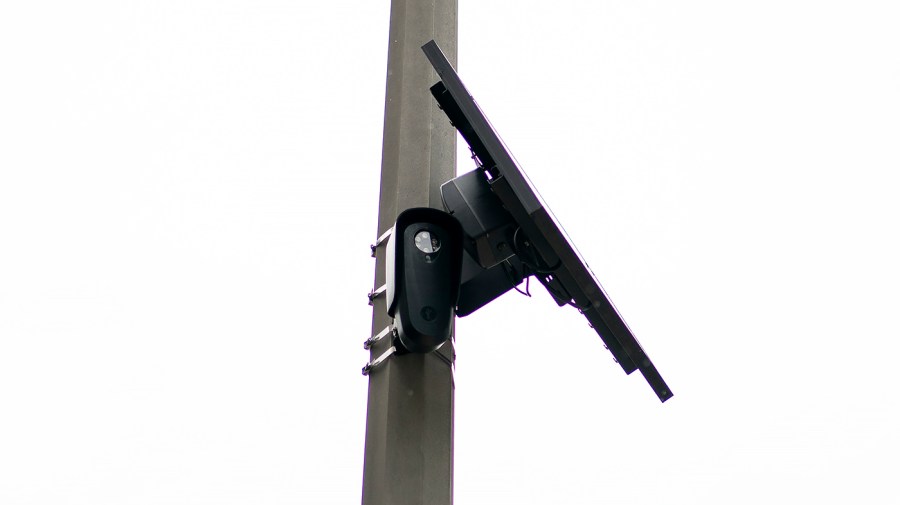
On a quiet morning in Dunedin, a woman’s routine day took an unexpected turn when she discovered that her privacy had been compromised by a law enforcement officer. The incident, involving extensive Automated License Plate Reader (ALPR) inquiries, raised concerns about the boundaries of police authority and the importance of safeguarding personal privacy. This moment underscores the delicate balance communities must maintain between security and individual rights, especially when trusted figures in uniform are involved.
In late 2023, a Pinellas County deputy was under scrutiny after it was revealed that he conducted 381 ALPR inquiries on a single woman over a period of several months. These inquiries, which use cameras mounted on patrol vehicles to scan license plates, are a common tool for law enforcement to track vehicles associated with crimes or investigations. However, the sheer volume of searches on one individual raised questions about potential misuse of this technology.
The woman, whose identity remains protected, noticed a pattern of her vehicle’s license plate appearing repeatedly in her daily routines. She reported her concerns to local authorities, prompting an internal review. It was during this investigation that the scope of the deputy’s inquiries came into focus, revealing the extensive surveillance that had been conducted without apparent cause or transparency.
This case drew attention not only because of the number of inquiries but also because it highlighted broader issues about privacy rights in the digital age. Dunedin, a city known for its vibrant community and scenic waterfront, has a population that values personal freedoms and transparency from their local officials. The incident prompted residents to question how technology is used and whether safeguards are adequate to prevent abuse.
The community’s response was swift and mixed. Many residents expressed concern over the potential breach of privacy and the trust placed in law enforcement officers. “We rely on our deputies to protect us, not to invade our personal lives without clear justification,” said local resident Maria Lopez, a mother of three who has lived in Dunedin for over a decade. “It’s unsettling to think that someone in uniform might be watching us without good reason.”
Others, however, emphasized the importance of law enforcement tools when used appropriately, arguing that the investigations must be contextualized within the broader scope of public safety efforts. Local business owner Tom Richards noted, “Technology like ALPR can be a real asset in solving crimes, but it must be used responsibly. Transparency is key.” The community is now engaged in a vital conversation about the limits of surveillance and the need for clear policies to protect individual rights.
Legal experts clarified that Florida law does not criminalize the kind of conduct exhibited in this case. According to state statutes, law enforcement officers are permitted to use ALPR technology within specific parameters, primarily for investigations related to crimes or public safety concerns. Since the deputy’s inquiries did not violate these statutes, prosecutors determined that criminal charges could not be sustained.
Pinellas County authorities reaffirmed their commitment to lawful conduct and transparency. “While we take privacy concerns seriously, our review indicates that the deputy’s actions, although extensive, did not breach Florida law,” a department spokesperson stated. This clarification is critical in maintaining community trust and ensuring that law enforcement agencies operate within legal boundaries.
However, the incident has sparked ongoing debate about whether existing laws are sufficient to regulate the use of surveillance technology. Advocates for civil liberties argue that laws should be more explicit, with stricter oversight and clear limits on data collection and retention. The community’s voice is increasingly being heard in discussions about future policies.
For families in Dunedin and the surrounding areas, the incident serves as a reminder of the importance of accountability and the safeguarding of personal freedoms. Strong families, built on trust and faith, are the bedrock of resilient communities. When that trust is tested, it is essential for law enforcement to operate transparently and ethically, reinforcing the bonds that hold neighborhoods together.
Many residents worry about the potential for misuse of surveillance technology to erode civil liberties. Community leaders emphasize the need for ongoing oversight and clear policies governing ALPR use. “Our community thrives when citizens feel secure and respected,” said Pastor John Miller of Dunedin Christian Fellowship. “We must ensure that those entrusted with our safety do so with integrity and respect for our rights.”
Local organizations, including the Dunedin Citizens for Privacy and the Dunedin Law Enforcement Oversight Committee, are calling for formal policy reviews. These groups aim to establish guidelines that limit the scope of ALPR inquiries, mandate transparency reports, and require regular audits of surveillance practices. Their goal is to foster a culture of accountability that aligns with community values.
As the community processes this incident, local officials are calling for strengthened policies around ALPR technology. Discussions are underway to establish transparent protocols that limit the scope of inquiries and ensure accountability. These measures aim to protect residents’ privacy while allowing law enforcement to perform their duties effectively.
Community forums and town hall meetings are planned to foster dialogue and gather input from residents. The goal is to develop a balanced approach that respects individual rights without compromising public safety. Such initiatives reflect a broader national conversation about the responsible use of surveillance tools and the preservation of civil liberties in an increasingly monitored society.
In the meantime, families can take comfort in knowing that local authorities are committed to upholding the law and protecting personal freedoms. Dunedin’s strength lies in its families, rooted in faith and commitment, and in a community that values transparency and justice. As this story unfolds, residents are encouraged to stay informed and engaged, ensuring their voices shape the future of law enforcement policy in our city.
While the charges against the deputy have been dropped, the conversation about privacy, accountability, and community trust remains vital. Dunedin’s resilience will be measured not just by how it responds to individual incidents but by its collective commitment to uphold the values that make this community strong and enduring.
In response to the incident, Dunedin’s city officials and community groups are actively working to strengthen oversight and transparency. The Dunedin City Council has scheduled a series of public hearings to discuss surveillance policies and gather community input. These meetings aim to educate residents about the current use of ALPR technology, listen to concerns, and develop recommendations for future safeguards.
Local law enforcement agencies are also reviewing their internal policies to ensure compliance and ethical use of surveillance tools. Chief of Police Sarah Jensen emphasized the importance of community trust: “We are committed to transparency and responsible use of all our technology. Our goal is to serve and protect while respecting residents’ rights.”
Furthermore, collaborations with civil liberties organizations are underway to establish best practices and advocate for legislative reforms. Groups like Citizens for Privacy and the Florida Civil Liberties Association are providing expertise and support to ensure policies are robust and community-centered.
Many Dunedin residents are eager to participate in shaping the city’s surveillance policies. Local teacher and parent Lisa Nguyen expressed her hopes: “We want to feel safe, but not at the expense of our privacy. It’s important that our laws keep pace with technology and that our community’s voice is heard.”
Similarly, small business owner David Morales pointed out that responsible surveillance can be a tool for public safety, but only if used with oversight: “We need clear rules and accountability. That’s how we maintain trust in our law enforcement and our community.”
The case of the Pinellas deputy’s ALPR inquiries underscores the delicate balance between security and personal privacy. While the legal outcome clarifies that the conduct was not criminal under current Florida law, it also prompts a broader discussion about how communities can safeguard civil liberties in an era of advanced surveillance technology. Dunedin’s response — through open dialogue, policy review, and community engagement — demonstrates a community committed to upholding its core values of transparency, accountability, and respect for individual rights.
As residents continue to navigate these complex issues, their collective voice and vigilance will be vital in shaping a future where safety and privacy coexist harmoniously. Dunedin’s story is a reminder that technology must serve the community, not the other way around, and that safeguarding civil liberties is an ongoing journey that requires active participation from all stakeholders.
By Marcus Chen

By Marcus Chen

By Katherine Langford

By Marcus Chen